Evaluating the Efficacy of Plasma-Activated Water in the Elimination of Pathogenic Bacteria: An Experimental Study on Pseudomonas, Salmonella, Escherichia Coli, and Staphylococcus Aureus.
Abolfazl Mazandarani, Mojtaba Jabbari, Shervin Goudarzi, Mohammad Javad Khodashenas
{"title":"Evaluating the Efficacy of Plasma-Activated Water in the Elimination of Pathogenic Bacteria: An Experimental Study on Pseudomonas, Salmonella, Escherichia Coli, and Staphylococcus Aureus.","authors":"Abolfazl Mazandarani, Mojtaba Jabbari, Shervin Goudarzi, Mohammad Javad Khodashenas","doi":"10.18502/jfrh.v19i3.20054","DOIUrl":null,"url":null,"abstract":"<p><strong>Objective: </strong>This study aimed to evaluate the effectiveness of PAW in inhibiting and eliminating four major pathogenic bacterial species: Pseudomonas, Salmonella, Escherichia coli, and Staphylococcus aureus.</p><p><strong>Materials and methods: </strong>Plasma-activated water (PAW) was generated using a dielectric barrier discharge (DBD) cold plasma device (10 kV, 20 kHz, 4.5 L/min airflow). Two-pipette electrodes generated plasma columns with reactive species. Water hardness, pH, and ozone were measured in triplicate. Staphylococcus aureus, Escherichia coli, Pseudomonas aeruginosa, and Salmonella spp. were cultured, suspended to 0.5 McFarland, diluted serially, and cultured using the pour plate method. Plasma-generating electrodes were immersed in bacterial suspensions and treated for 2.5, 5, 10, and 15 minutes. Samples were cultured in triplicate using the pour plate method and colony counts were analyzed using t-tests and ANOVA.</p><p><strong>Results: </strong>Plasma-activated water (PAW) significantly altered pH and hardness and exhibited high bactericidal activity. Hardness increased dramatically post-plasma, while pH decreased. Ozone levels increased with plasma exposure. Duncan's test (p < 0.05) confirmed significant bacterial reduction. PAW completely eliminated some strains within 2.5-5 minutes. PAW eliminated Pseudomonas aeruginosa at all time points. S. aureus was reduced to 78 ± 9 CFU/mL at 2.5 minutes and eliminated thereafter. E. coli was eliminated at 5-15 minutes, with 53 ± 7 CFU/mL remaining at 2.5 minutes. Salmonella spp. was reduced to 66 ± 8 CFU/mL at 2.5 minutes and eliminated thereafter.</p><p><strong>Conclusion: </strong>Increased ozone concentration along with ROS and RNS enhances disinfection, inactivating Pseudomonas aeruginosa, Salmonella spp., Escherichia coli, and Staphylococcus aureus within 5 minutes. Reactive species disrupt bacterial cell walls and membranes, providing antimicrobial effects. Plasma-activated water offers a portable, user-friendly, and eco-friendly alternative to chemical disinfectants for microbial decontamination in food, medical, sanitation, and hospital settings, while conserving water.</p>","PeriodicalId":15845,"journal":{"name":"Journal of Family and Reproductive Health","volume":"19 3","pages":"167-173"},"PeriodicalIF":0.0000,"publicationDate":"2025-09-01","publicationTypes":"Journal Article","fieldsOfStudy":null,"isOpenAccess":false,"openAccessPdf":"https://www.ncbi.nlm.nih.gov/pmc/articles/PMC12681946/pdf/","citationCount":"0","resultStr":null,"platform":"Semanticscholar","paperid":null,"PeriodicalName":"Journal of Family and Reproductive Health","FirstCategoryId":"1085","ListUrlMain":"https://doi.org/10.18502/jfrh.v19i3.20054","RegionNum":0,"RegionCategory":null,"ArticlePicture":[],"TitleCN":null,"AbstractTextCN":null,"PMCID":null,"EPubDate":"","PubModel":"","JCR":"","JCRName":"","Score":null,"Total":0}
引用次数: 0
Abstract
Objective: This study aimed to evaluate the effectiveness of PAW in inhibiting and eliminating four major pathogenic bacterial species: Pseudomonas, Salmonella, Escherichia coli, and Staphylococcus aureus.
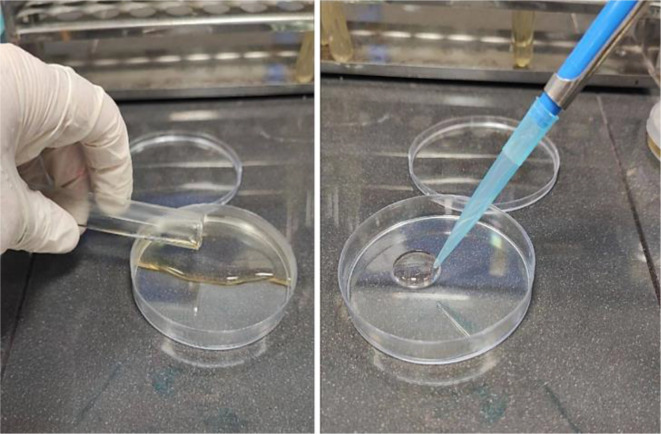
Materials and methods: Plasma-activated water (PAW) was generated using a dielectric barrier discharge (DBD) cold plasma device (10 kV, 20 kHz, 4.5 L/min airflow). Two-pipette electrodes generated plasma columns with reactive species. Water hardness, pH, and ozone were measured in triplicate. Staphylococcus aureus, Escherichia coli, Pseudomonas aeruginosa, and Salmonella spp. were cultured, suspended to 0.5 McFarland, diluted serially, and cultured using the pour plate method. Plasma-generating electrodes were immersed in bacterial suspensions and treated for 2.5, 5, 10, and 15 minutes. Samples were cultured in triplicate using the pour plate method and colony counts were analyzed using t-tests and ANOVA.
Results: Plasma-activated water (PAW) significantly altered pH and hardness and exhibited high bactericidal activity. Hardness increased dramatically post-plasma, while pH decreased. Ozone levels increased with plasma exposure. Duncan's test (p < 0.05) confirmed significant bacterial reduction. PAW completely eliminated some strains within 2.5-5 minutes. PAW eliminated Pseudomonas aeruginosa at all time points. S. aureus was reduced to 78 ± 9 CFU/mL at 2.5 minutes and eliminated thereafter. E. coli was eliminated at 5-15 minutes, with 53 ± 7 CFU/mL remaining at 2.5 minutes. Salmonella spp. was reduced to 66 ± 8 CFU/mL at 2.5 minutes and eliminated thereafter.
Conclusion: Increased ozone concentration along with ROS and RNS enhances disinfection, inactivating Pseudomonas aeruginosa, Salmonella spp., Escherichia coli, and Staphylococcus aureus within 5 minutes. Reactive species disrupt bacterial cell walls and membranes, providing antimicrobial effects. Plasma-activated water offers a portable, user-friendly, and eco-friendly alternative to chemical disinfectants for microbial decontamination in food, medical, sanitation, and hospital settings, while conserving water.
期刊介绍:
The Journal of Family & Reproductive Health (JFRH) is the quarterly official journal of Vali–e–Asr Reproductive Health Research Center. This journal features fulllength, peerreviewed papers reporting original research, clinical case histories, review articles, as well as opinions and debates on topical issues. Papers published cover the scientific and medical aspects of reproductive physiology and pathology including genetics, endocrinology, andrology, embryology, gynecologic urology, fetomaternal medicine, oncology, infectious disease, public health, nutrition, surgery, menopause, family planning, infertility, psychiatry–psychology, demographic modeling, perinatalogy–neonatolgy ethics and social issues, and pharmacotherapy. A high scientific and editorial standard is maintained throughout the journal along with a regular rate of publication. All published articles will become the property of the JFRH. The editor and publisher accept no responsibility for the statements expressed by the authors here in. Also they do not guarantee, warrant or endorse any product or service advertised in the journal.




 求助内容:
求助内容: 应助结果提醒方式:

 京公网安备 11010802042870号


