Rapid diagnostic tests to inform clinical decision-making for antifungal stewardship in the ICU: a qualitative study with NHS staff, patients, and their legal representatives.
Chikomborero Cynthia Mutepfa, Jana Suklan, Jennifer Bell, Mary Guiney, William Jones, John Simpson, Ronan McMullan
{"title":"Rapid diagnostic tests to inform clinical decision-making for antifungal stewardship in the ICU: a qualitative study with NHS staff, patients, and their legal representatives.","authors":"Chikomborero Cynthia Mutepfa, Jana Suklan, Jennifer Bell, Mary Guiney, William Jones, John Simpson, Ronan McMullan","doi":"10.3310/GJRM3321","DOIUrl":null,"url":null,"abstract":"<p><strong>Background: </strong>Invasive candidiasis is a fungal infection of the blood or organs that is associated with high morbidity and mortality in critically ill patients. Current diagnosis is based on blood culture, which typically takes 2 days to confirm the presence of <i>Candida</i>, and longer for differentiating the species and sensitivities to antifungal drugs. Administration of antifungal treatment is time-critical, hence critically ill patients considered 'at-risk' of <i>Candida</i> infection are often started on antifungal treatment pending test results. However, many of these patients may not have empirical treatment stopped when test results become available because of concerns about the sensitivity of blood culture. The Antifungal STewardship Opportunities study is a multisite national diagnostic test accuracy study investigating the use of rapid tests in the intensive care unit that have the potential to influence decision-making.</p><p><strong>Objective(s), study design, settings and participants: </strong>Our aim is to understand patient and physician risk preferences for using the Antifungal STewardship Opportunities testing strategy to discontinue empirical antifungal therapy using semi-structured interviews. An a priori sample size of 30 National Health Service staff and 10 patient interviews was selected to elicit information relating to the aims. Interview schedules were developed, and all interviews were conducted via video or teleconferencing between December 2021 and December 2022 and lasted between 10 and 60 minutes. Interviews were recorded, transcribed and subjected to thematic analysis.</p><p><strong>Findings: </strong>Semi-structured interviews were conducted with 21 National Health Service clinicians and seven patients and legal representatives. National Health Service staff were risk-averse to stopping empirical antifungal therapy, especially if the patient was improving, while patients were risk-neutral. Although there is a clear unmet need for new rapid testing strategy, clinical confidence in its accuracy, clinical utility, cost-effectiveness and usability were strong factors for its consideration for use in decision-making and adoption. Patients did not exhibit strong feelings towards stopping empirical antifungal treatment as they expressed reliance on clinical judgement.</p><p><strong>Limitations: </strong>There was a potential for selection bias as interview participants being from participating sites. The target recruitment numbers of patients and their legal representatives was not achieved due to low retention rates.</p><p><strong>Conclusions: </strong>If found to have high accuracy and cost-effectiveness, the potential of the Antifungal STewardship Opportunities diagnostic strategy to aid decision-making on antifungal prescribing could change intensive care unit clinicians practice, as they are risk-averse to stopping empirical antifungal treatment. However, consideration of the resources needed including staff, and lab facilities, adequate training as well as established guidelines to facilitate its adoption is required.</p><p><strong>Future work: </strong>Our next aim is to use Antifungal STewardship Opportunities results to inform the update of National Institute for Health and Care Excellence guidelines and explore schemes such as the Accelerated Access Collaborative and MedTech funding mandate to propel the adoption of this testing strategy.</p><p><strong>Funding: </strong>This article presents independent research funded by the National Institute for Health and Care Research (NIHR) Health Technology Assessment programme as award number 15/116/03.</p>","PeriodicalId":12898,"journal":{"name":"Health technology assessment","volume":" ","pages":"577-596"},"PeriodicalIF":3.4000,"publicationDate":"2026-08-01","publicationTypes":"Journal Article","fieldsOfStudy":null,"isOpenAccess":false,"openAccessPdf":"https://www.ncbi.nlm.nih.gov/pmc/articles/PMC12683465/pdf/","citationCount":"0","resultStr":null,"platform":"Semanticscholar","paperid":null,"PeriodicalName":"Health technology assessment","FirstCategoryId":"3","ListUrlMain":"https://doi.org/10.3310/GJRM3321","RegionNum":2,"RegionCategory":"医学","ArticlePicture":[],"TitleCN":null,"AbstractTextCN":null,"PMCID":null,"EPubDate":"","PubModel":"","JCR":"Q1","JCRName":"HEALTH CARE SCIENCES & SERVICES","Score":null,"Total":0}
引用次数: 0
Abstract
Background: Invasive candidiasis is a fungal infection of the blood or organs that is associated with high morbidity and mortality in critically ill patients. Current diagnosis is based on blood culture, which typically takes 2 days to confirm the presence of Candida, and longer for differentiating the species and sensitivities to antifungal drugs. Administration of antifungal treatment is time-critical, hence critically ill patients considered 'at-risk' of Candida infection are often started on antifungal treatment pending test results. However, many of these patients may not have empirical treatment stopped when test results become available because of concerns about the sensitivity of blood culture. The Antifungal STewardship Opportunities study is a multisite national diagnostic test accuracy study investigating the use of rapid tests in the intensive care unit that have the potential to influence decision-making.
Objective(s), study design, settings and participants: Our aim is to understand patient and physician risk preferences for using the Antifungal STewardship Opportunities testing strategy to discontinue empirical antifungal therapy using semi-structured interviews. An a priori sample size of 30 National Health Service staff and 10 patient interviews was selected to elicit information relating to the aims. Interview schedules were developed, and all interviews were conducted via video or teleconferencing between December 2021 and December 2022 and lasted between 10 and 60 minutes. Interviews were recorded, transcribed and subjected to thematic analysis.
Findings: Semi-structured interviews were conducted with 21 National Health Service clinicians and seven patients and legal representatives. National Health Service staff were risk-averse to stopping empirical antifungal therapy, especially if the patient was improving, while patients were risk-neutral. Although there is a clear unmet need for new rapid testing strategy, clinical confidence in its accuracy, clinical utility, cost-effectiveness and usability were strong factors for its consideration for use in decision-making and adoption. Patients did not exhibit strong feelings towards stopping empirical antifungal treatment as they expressed reliance on clinical judgement.
Limitations: There was a potential for selection bias as interview participants being from participating sites. The target recruitment numbers of patients and their legal representatives was not achieved due to low retention rates.
Conclusions: If found to have high accuracy and cost-effectiveness, the potential of the Antifungal STewardship Opportunities diagnostic strategy to aid decision-making on antifungal prescribing could change intensive care unit clinicians practice, as they are risk-averse to stopping empirical antifungal treatment. However, consideration of the resources needed including staff, and lab facilities, adequate training as well as established guidelines to facilitate its adoption is required.
Future work: Our next aim is to use Antifungal STewardship Opportunities results to inform the update of National Institute for Health and Care Excellence guidelines and explore schemes such as the Accelerated Access Collaborative and MedTech funding mandate to propel the adoption of this testing strategy.
Funding: This article presents independent research funded by the National Institute for Health and Care Research (NIHR) Health Technology Assessment programme as award number 15/116/03.
期刊介绍:
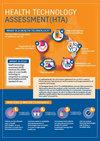
Health Technology Assessment (HTA) publishes research information on the effectiveness, costs and broader impact of health technologies for those who use, manage and provide care in the NHS.

 求助内容:
 应助结果提醒方式:


 京公网安备 11010802042870号


